Friday, May 6, 2016

Lesson 3. Culture and Ideology

The American culture idealizes what the norm is. Little boys and little girls grow up assuming they should act and feel a certain way. Why would we feel differently when everything surrounding our society emulates the behaviors we should each demonstrate? Throughout my store visits, I have been able to identify and connect products to their intended audience. Hopefully, these examples will provide insight to how society influences marketing to persuade the proposed audience to think "norm."


1. Social learning theory  is a cognitive learning process, which means one acquires knowledge through thought, experience, and sense of surroundings. Take, for instance, these toddler toys, both are directed at the same age groups. As one can see, these toys are to plant a seed earlier on to mentally encourage the younger generation to learn their expected place in society. The toys encompass gender specifically by color and intended roles or placement. Manufacturers are persistent in teaching young girls that their expected role is at the home domesticated. It's a stereotype that only boys drive and insinuate control. Therefore, the boys' toys indicate that their future is predestined being in "control of the wheel," future.


2. Androcentrism: centering male human beings or masculine point of view in society. Where men are the focal point of importance and everything else revolves around it. As one can see in this snapshot of a cereal aisle, most of the cereals have male characters on the cover of the boxes. This indicates the dominance of the male presence.


3. With males and females, certain femininiy and masculine behaviors are considered okay for one gender but not the other. This is called gender polarization. For example, on the left there is a pink cape with play heels, this wouldbe acceptable for girls to play dress up with, but not boys. On the right my son is aptempting to build a wall organizer with my husband and dad. In society it is the norm for men to use tools and their hands to build things. However for women, it is not the norm becasue this is considered a man's domain, the garage, whereas the kitchen women have the expectation to bake and cook.


4. Society places specific behavior roles for males and females to abide by. this is considered as Gender role socialization. The picture depicts men who had caught fish. This behavior is considered a man's sport. As one can notice, there are not any females in this picture. Society says it's  the role of a man to provide food. The picture on the right are cook books and the majority have food and women on the covers. This is society's expectation for women to bake and cook, the food that the  men provide. This has been a behavior that has gone back since the caveman age. Not much has really change as it pertains the roles men and women play and set by society.


5. Social construction of reality alludes  to  behaviors that are created over time and then become habitual throughout generations. When I think of habitual, I think military soldiers. Thtoughout the decades, men were the primary soldiers  and still to this day remain  to carry a domiant presences. Men were taught that their action of protecing people was thier job and duty to thier country. 


Thursday, May 5, 2016

Lesson 2. Biology, Sex, and Gender


 Sex and gender?

  In American society, people automatically assume male and female to be associated with sex. However, there's also hermaphrodite and intersexed. Both have sex characteristics of female and male. When one thinks "gender, "they think women and men, but there's also transgendered, and transsexed. Transgendered people often feel different and not able to fit into a gender so they often may live without one, and transsexed people live the opposite of what gender they were initially designated. During my store visits, I have been able to associate gender specific marketing to distinguish who the advertisers are trying to attract.


1. Stores utilize colors to associate with "sex". Blue and pink are both universal colors to identify the  "sex" of the child.

2. The color green is thought to be a neutral color for small children's' clothing. This color for unknown reasons can be worn  by male, female, hermaphrodite, and intersexed. For a lot of people who receive gifts, but want to withhold the sex of the baby from friends and family request "green."


3. Gender behaviors are what society considers being the norm. In this Virtual Design, Pro set, one can see that it is directed at girls. The behavior indicates girls want to be dress designers when they grow up.  From birth, society molds the behaviors of femininity for girls to wear dresses and skirts. It promotes femininity through how a girl should act and strive to become. It doesn't show boys aspiring to be a fashion designer.


4. Gender behaviors can be illustrated In this Virtual Design, Pro set, which suggests masculinity, and indicates boys should strive to be engineers. This is a form of masculinity because it symbolizes innovation. Boys are taught to think they will govern and control the universe. They are made to think control and power are within their grasp. Even though both sets are design sets for both male and female, they provide separate expectations that society sees as the norm.


5. Through Constructionist approach, gender is thought to be created through society and those we surround ourselves with. Society uses symbols to identify males and females. This sign identifies girls with dresses. Dresses symbolize  passiveness, pretty, delicate. This is how society trains girls to think and grow up believing.


6. This sign, on the other hand, through constructionist approach uses a tee shirt to symbolize boys. Boys are taught from birth that they will be leaders of their society. They are groomed to think dominance, power, and protector. Society is influential and a huge part of how we establish what is the norm as it pertains to gender. 

7. Sexed bodies today are seen just like in other eras and times. Women are portrayed inferior to men. In this picture of marketing taken from a store window, a man is shown in front of the woman indicating dominance and superior to her. The woman can be seen as being submissive and displays passive behavior as she swoons over her man. 


Wednesday, May 4, 2016

Lesson 1. Sociological, Constructs, and Theories

In American society, one connects "male" and "female" with product association, which is displayed in how companies market their products. While visiting a few stores, I was able to analyze and capture who the products are intended for, and why I think this to be true.


1. "Power," can be assumed to be associated with men. One can tell that in Selma, the man is being portrayed as "POWER" because of his placement on the cover as he oversh1adows the others. The American Flag, helps to reinforce his position which symbolizes Power in politics.


2. In this latest issue of Style Watch, "Matriarchy" is being displayed as the women are positioned close together symbolizing unity and strength. They are portraying a system in which women control, and rule within a society.


3. "Symbolic interactionism" can be described as how people interact with each other. In this particular basketball inside game for children, one can automatically see that the manufacturer has marketed it for both boys and girls. However, it is clear that even though both are playing the woman is looking at the boy to reinforce his ability to play. Society associates sports with boys.


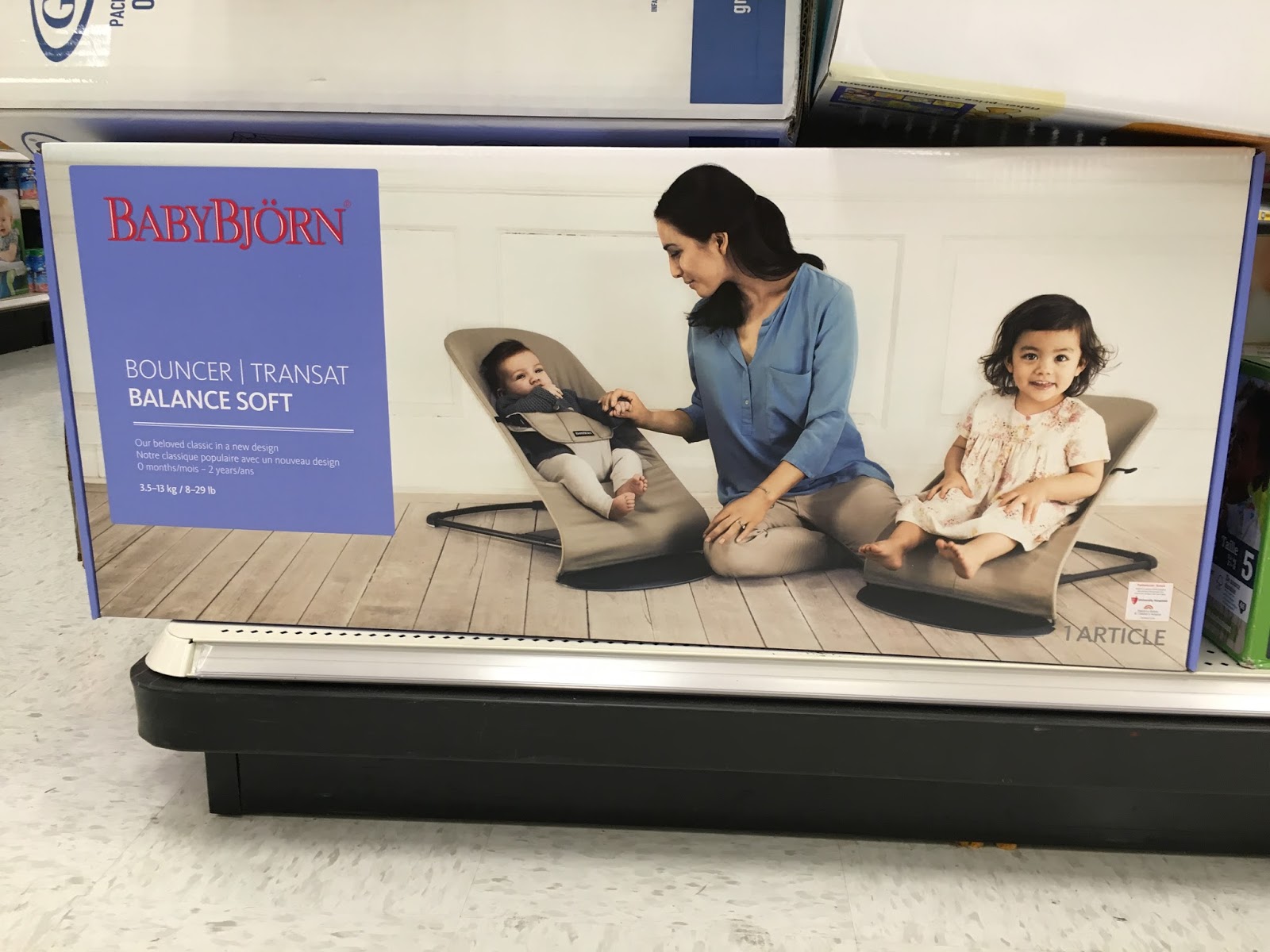
4. "Conflict theory" can be unevenly distribution of control, money, and power within males and females. In this Baby Bjorn, the manufacturer markets for both male and female; however you can tell that this would be a "conflict theory" issue because the woman distributes her attention unequally. All of her attention is toward the boy because society tells us that boys will become more successful than females.


5. In a society where men are considered dominant,  "Patriarchy," a system in which men rule and control within a society is prevalent and can be seen on this cover of Expendables 3.  Reminding the American people men still rule.